

Pedro Araújo Napoleão, licenciado e doutorado em Arquitetura, é autor do livro As Sensações e as Emoções na Arquitectura e de diversos artigos publicados em revistas da especialidade, tendo colaborado, por convite, com jornais, outras publicações e variadas organizações. A sua atividade de investigação é acompanhada por uma presença internacional ativa, traduzida em viagens de estudo, contacto direto com obras de referência da arquitetura mundial e participação regular em conferências e seminários, nacionais e internacionais.
Em 1996, fundou a Panatelier – Pedro Araújo & Napoleão, Lda., escritório no qual desenvolve uma prática profissional sólida e consolidada, com obra construída em Portugal e no estrangeiro, predominantemente nos domínios da habitação e da indústria. O seu trabalho tem sido distinguido ao longo dos anos, destacando-se um projeto finalista de um prémio nacional de arquitetura em 2023. Ao longo da carreira, acumulou vasta experiência em projeto, coordenação e direção técnica, tendo exercido funções de responsabilidade em empresas de construção, coordenado projetos e concursos públicos por convite, orientado estágios profissionais e desempenhado o cargo de diretor técnico de um grupo do setor da construção em Paris.
Paralelamente à prática profissional e académica, Pedro Araújo Napoleão tem mantido uma participação ativa em instituições ligadas à arquitetura e ao bem-estar. É membro da Ordem dos Arquitetos, da ANFA – Academy of Neuroscience for Architecture e da Global Wellness Portugal. Integrou ainda o júri de um Prémio Nacional de Arquitetura em representação da Ordem dos Arquitetos portugueses e é Associado Honorário da United Nations Association Portugal.
A sua atividade de investigação é acompanhada por uma presença internacional ativa, que se traduz em viagens de estudo, no contacto direto com obras de referência da arquitetura mundial e na participação regular em conferências e seminários, nacionais e internacionais.
É membro da Ordem dos Arquitetos, da ANFA – Academy of Neuroscience for Architecture e da Global Wellness Portugal, tendo integrado o júri de um Prémio Nacional de Arquitetura em representação da Ordem dos Arquitetos portugueses.
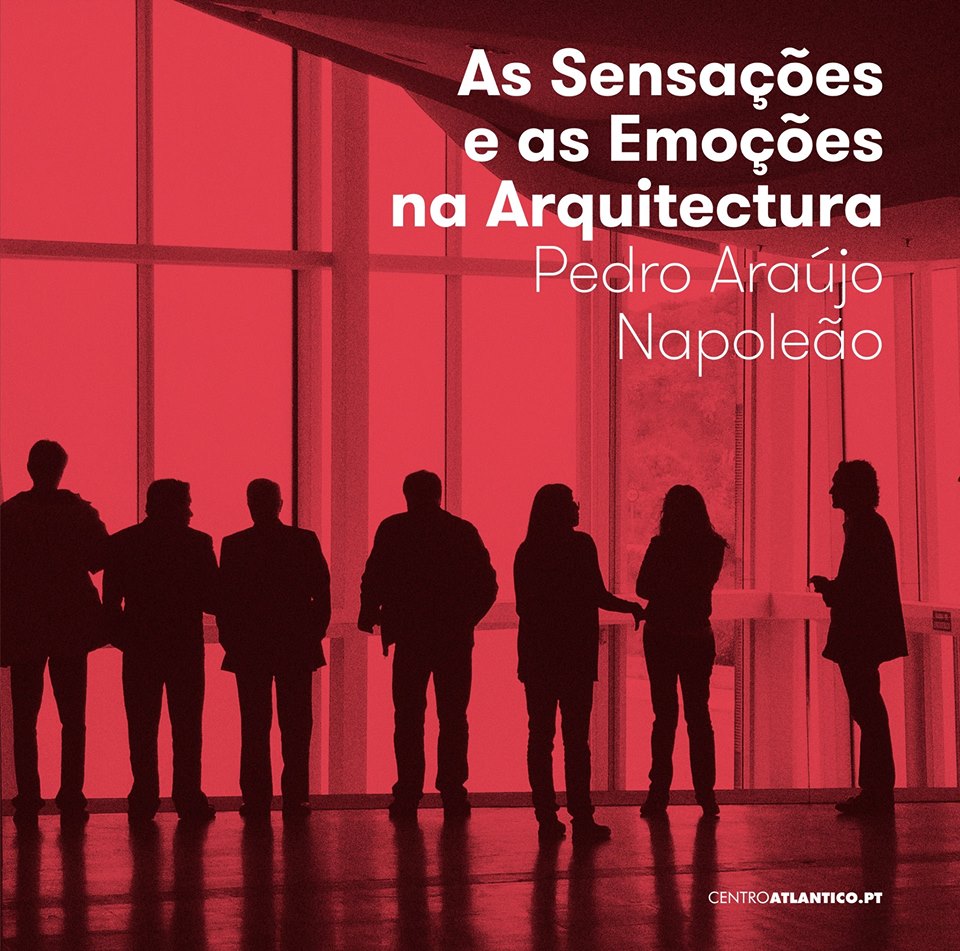
O tema “Sensações e Emoções na Arquitetura” aborda uma viagem sensorial e emocional pelo universo percetivo e cognitivo que a Arquitetura proporciona, revelando-se essencial para a compreensão da existência de um fenómeno psicológico associado à experiência arquitetónica, frequentemente ignorado por uma grande parte das pessoas.
Num momento em que ocorrem as maiores transformações tecnológicas da história, assistindo-se à substituição de áreas do conhecimento humano por máquinas e à perda da singularidade da obra de arte em prol da produção em massa, torna-se urgente reagir através da diferenciação. Mesmo admitindo que a criatividade continua a ser uma capacidade exclusivamente humana, é necessário acrescentar valor criativo para que essas mesmas máquinas continuem a depender de nós, sob pena de nos tornarmos meras commodities.
Ao longo da história dos movimentos arquitetónicos, é possível observar a existência de uma relação constante entre o universo das sensações e das emoções e todo o processo criativo. Essa relação manifesta-se como expressão ideológica de determinadas épocas e correntes de pensamento, nas quais se formaram valores éticos e estéticos que orientaram a conceção de obras cada vez mais centradas no utilizador e na sua interação com o ambiente.
Estes movimentos arquitetónicos assentavam em fundamentos filosóficos que relacionavam os problemas da existência humana com o conhecimento da verdade, da mente e da linguagem. Tal como aconteceu noutras áreas do saber, também na Arquitetura estas reflexões constituíram a base de diversas ideologias e movimentos, influenciando profundamente a forma de pensar, projetar e construir o espaço.
Percorrer este universo sensorial e emocional e aproximá-lo das ciências neuropsicofisiológicas, numa época marcada pelos mais recentes avanços da Neurociência, permite introduzir novos elementos no discurso arquitetónico. Esta aproximação oferece a possibilidade de compreender de forma mais rigorosa a relação entre o ser humano e o espaço construído, abrindo caminho a novas interpretações e, eventualmente, a novos paradigmas de investigação e prática arquitetónica.
Resultado de um extenso trabalho de investigação, este livro tem por base a tese de doutoramento do autor, desenvolvida na Universidade da Corunha sob a orientação do Professor José António Franco Taboada, Professor Catedrático Emérito daquela instituição e autor do prefácio da obra.
José António Franco Taboada foi Diretor da Escola Técnica Superior de Arquitetura da Universidade da Corunha desde a sua fundação, em 1975, até 1986, bem como Diretor do Departamento de Representação e Teorias Arquitetónicas desde a sua criação. Entre as suas principais obras destacam-se o Edifício Costa Rica, na Corunha, o Pavilhão da Galiza na Exposição Universal de Sevilha e o Centro Cívico e Cultural de Arteixo.
A investigação apresentada neste livro procura, assim, estabelecer uma ponte entre a teoria arquitetónica, a filosofia e as neurociências, contribuindo para uma compreensão mais profunda do papel das sensações e das emoções na experiência da Arquitetura.